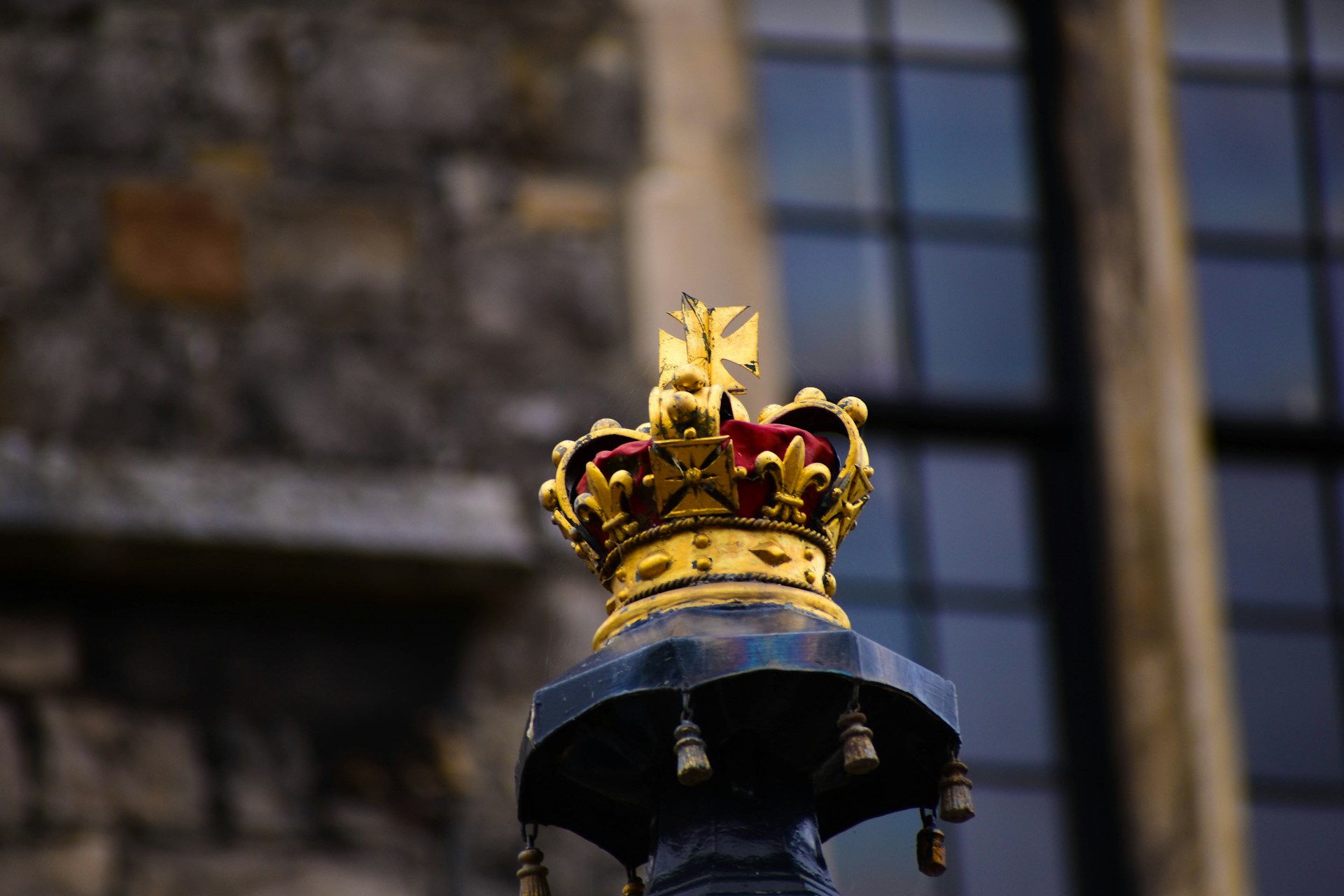
There is a particular art to saying exactly what you mean without saying it at all. It is an art the British have been quietly perfecting for centuries, sometimes in the direction of our closest allies, and never more skilfully than in a 30-minute address delivered yesterday to a joint session of the United States Congress by His Majesty King Charles III.
The backdrop was not, by any diplomatic measure, easy. Anglo-American relations have been through something of a rough patch – the King’s visit was, in public affairs terms, the highest-stakes brief imaginable: restore warmth to a relationship running cold, without compromising constitutional neutrality, without throwing the elected government under the bus, without upsetting the Americans, and if at all possible, without anyone noticing you were doing any of it. In my view, he achieved that.
Charles opened with Oscar Wilde: “We have really everything in common with America nowadays, except, of course, language” – immediately unifying the historically divided Congress with humour and charm. The quip served a strategic purpose too: it positioned the two nations as a family, squabbling perhaps, but bound by something deeper than day to day policy disagreements.
He described the relationship as “one of the most consequential alliances in human history” before skilfully dealing with the elephant in the room, Iran, without even mentioning it: “With the spirit of 1776 in our minds,” he said, “we can perhaps agree that we do not always agree.” He framed disagreement itself as proof of the relationship’s maturity, not its fragility.
King Charles spoke about the importance of NATO’s Article 5, noting it has been triggered once, in response to September 11th, in a Congress chamber containing many legislators openly sympathetic to scepticism of the alliance. He called for unyielding resolve in the defence of Ukraine, to thunderous applause. He spoke of the Magna Carta and its use in numerous rulings by the US Supreme Court – a reminder that the instinct to constrain executive power is not a modern liberal invention but an inheritance from old England that both nations share today, stretching back eight centuries to a field at Runnymede.
Each point made by the King was, in isolation, fairly unremarkable. But together, they amounted to a quietly comprehensive restatement of the Western liberal order – delivered with a twinkle of the eye, to standing ovations.
Few Prime Ministers could have walked into that Congress chamber and received such a resounding ovation from both parties. No trade envoy could have delivered a veiled critique of the President’s NATO scepticism and been met with applause by those sympathetic to it. No senior officials could have defused the Iran disagreement without even mentioning it, quietly defended Britain’s position by repeating Prime Minister Starmer’s own words, and ended the evening with the President calling it the best speech he’d heard – without crossing a single constitutional line.
There are of course many people in the UK who question the existence of a constitutional monarch in the modern age. And that’s a big debate for another day. But this week, King Charles may well have demonstrated that the monarchy’s value is not merely ceremonial. It is, in the right hands, and directed by astute Ministers, a remarkably effective instrument of statecraft – one that can go where politicians cannot, say what governments dare not, and remind the world’s most powerful nation that its oldest ally is so politically, legally and culturally intertwined, that its relationship is not going anywhere.
The King’s invocations of NATO, Ukraine, executive checks and balances, and the rule of law landed not because they were less pointed (they were, in fact, remarkably pointed), but because they came wrapped in history, warmth, and the considerable authority of a man who represents continuity across generations of American memory, and who is not fazed by anyone.
King Charles opened his speech with Oscar Wilde, so perhaps it is Wilde who should have the last word too. He once observed that good diplomacy, like a good salad, is all a matter of knowing how much oil to mix with the vinegar. Yesterday, the King got the dressing exactly right.

Content